Breast Ultrasounds Called 'Life or Death' by Patients, but Insurance Coverage Remains a Struggle
Illinois women with dense breasts say Medicare and other coverage hurdles are leaving them with bills for automated breast ultrasound screenings that once were paid in full.
By Ken Adams ·
Shelly Brostoff, 78, of Long Grove, says she is worn out from trying to get Medicare to cover a breast cancer screening test that she believes saved her life. The suburban resident was diagnosed with stage 1 breast cancer in January 2014 after noticing that the nipple area of her left breast felt hardened. She and her gynecologist first thought it might be scar tissue from a breast reduction surgery performed years earlier.
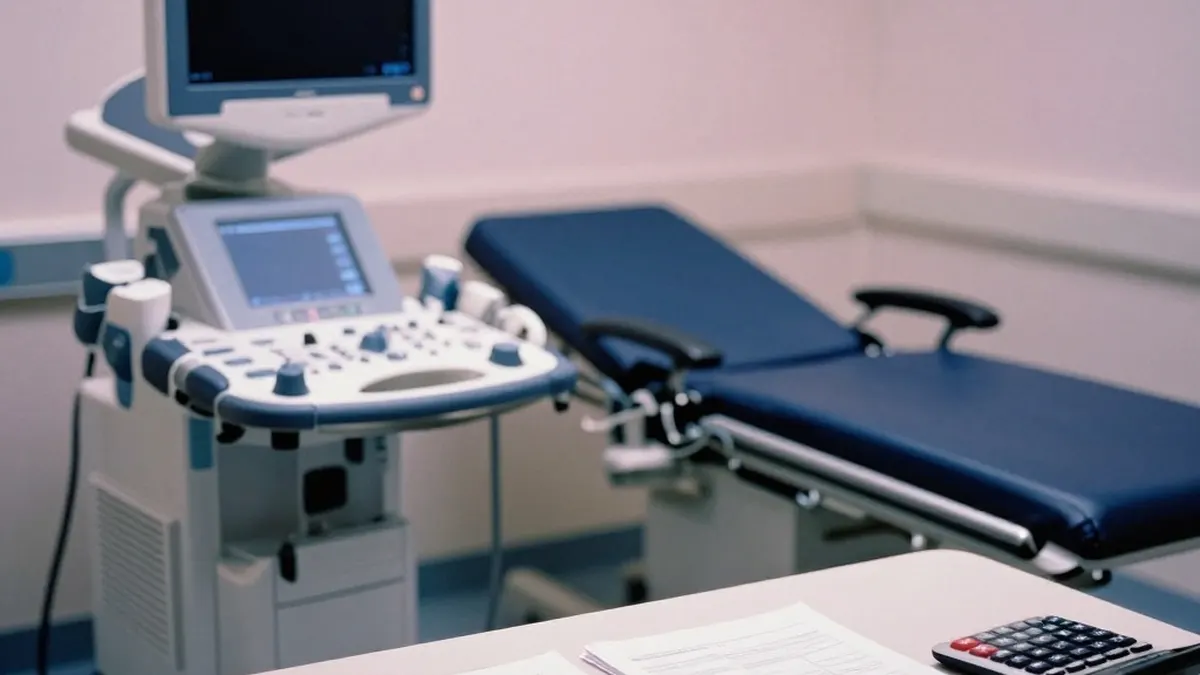
Her doctor ordered a mammogram along with an additional test called ABUS, an automated breast ultrasound known for its sensitivity in detecting cancer in dense breasts like hers. According to Brostoff, the ultrasound found what the mammogram missed. She has had the procedure every year since, covered by Medicare and a BlueCross BlueShield of Illinois supplemental plan. Skipping it, she said, is not an option because "it's a matter of life or death."
Things went smoothly until 2023, when Highland Park Hospital told her Medicare had begun denying claims for the supplemental screening and gave her a statement to sign agreeing to pay the bill. Women with dense breasts rely on such scans because cancer is harder to distinguish from fibrous and glandular tissue, which appears white on breast X-rays. The Brem Foundation says pairing an ultrasound with a mammogram raises cancer detection in these women by more than 55%.
Linda Forman, 81, of Evanston, also credits the test. After a routine mammogram in spring 2017 she received a notice that she had dense breasts, and at her daughter's urging she chose to have an ABUS. The findings led to a biopsy that uncovered triple-negative breast cancer. "The doctors couldn't feel the tumor, even when they knew where it was located," said Forman, who runs her own accounting firm. She is now in remission.
Forman said she originally paid nothing because Medicare and her UnitedHealthcare supplemental plan covered the scan. In November 2022 she learned Medicare would stop covering the screenings and that patients must sign financial responsibility notices in case claims are denied. Skokie Hospital offered her a discounted rate of $536, but Medicare ended up covering that bill. Since then, she has been charged between $174 and $235 each year in radiologist-related fees she never previously paid. Without coverage, experts say an ABUS costs between $250 and $555, and one study found many Medicare beneficiaries would skip additional breast imaging if they knew they would have to pay.
The Centers for Medicare and Medicaid Services declined to comment on specific questions, citing a Department of Health and Human Services pause on mass communications and public appearances not tied to emergencies or critical health preservation. An Aetna spokesperson said the insurer has not changed its ABUS coverage, and Blue Cross and Blue Shield of Illinois said it approves the great majority of ABUS claims it receives.
Dr. Kirti Kulkarni of the University of Chicago said breast density falls into four categories, from A (mostly fatty tissue) to D (extremely dense), and that up to 40% of women are in category C. Additional imaging can help radiologists find small cancers and rule out benign masses, which can also look white on mammograms. A revised FDA mammography rule requiring women to be clearly told if they have dense breasts took effect on September 10, 2024.
Density alone does not guarantee coverage. Sarah Murdoch of the Medicare Rights Center said ultrasounds and MRIs are not covered as screenings but are covered as diagnostic services, typically requiring a doctor to document medical necessity, such as a history of breast cancer, and correct claim coding. For original Medicare enrollees, diagnostic coverage carries a 20% copay.
Leslie Ferris Yerger of the nonprofit My Density Matters noted that no national law requires ABUS coverage. Illinois law provides no-cost ultrasounds and MRIs when medically necessary after a mammogram shows dense breasts, but claims can still be denied over coding errors or missing records. A new state law taking effect next year will require insurers to cover MRIs and other breast imaging for dense breasts, though some federal and other plans are exempt. In Congress, Rep. Jan Schakowsky, D-Ill., is a cosponsor of the Find It Early Act, which would require all health plans to cover such imaging at no cost.
The Brostoffs emailed Schakowsky last fall seeking help, after already going through appeals that included additional medical records, diagnostic codes and a physician's letter calling the ABUS "medically necessary and reasonable." Medicare denied the 2023 appeal and again last year, most recently in December. Feeling defeated, they paid the $240 bill. "What makes me very sad is that there are many women who need this test but can't afford it," Brostoff said.
Source: Chicago Sun-Times