1,300 Acres: How Google’s Finnish Data Center Push Displaced Wolves Into Villages
Unauthorized forest clearing in Finland has left local residents facing increased wildlife encounters as displaced packs move into human settlements.
By Tariq Mahmoud ·
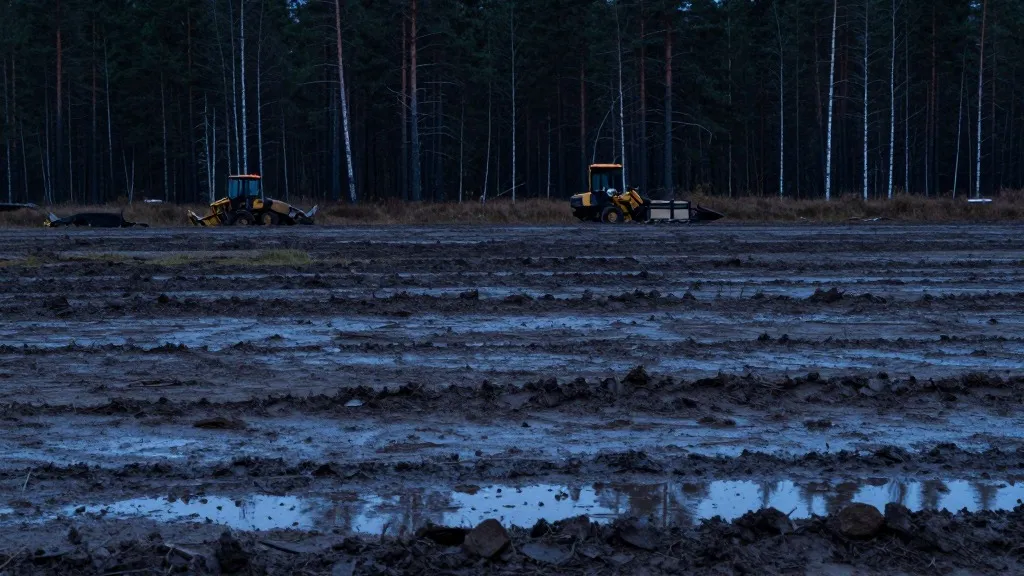
Wolves are now wandering into Finnish villages, a direct consequence of the massive forest clearances undertaken by Google for its expanding AI infrastructure. The shift has turned a quiet rural concern into a tangible safety issue for residents living near the construction zones. For generations, these communities coexisted with the local wildlife, but the rapid transformation of their environment has forced a change in behavior for the region’s predators.
The core of the conflict lies in the scale of the land alteration. Google has cleared approximately 1,300 acres of forest in the areas surrounding Muhos and Otanmäki, located 55 miles southeast of the latter village. This extensive removal of trees has created large expanses of mud where dense woodland once stood. The sudden loss of habitat has driven wolves and other wild animals out of their traditional territories, pushing them into the neighboring human settlements in search of shelter and food.
Local residents argue that the tech giant’s urgency to build new data centers led to a disregard for established regulations. Anni Ranta, 53, a resident of Otanmäki whose family has lived there for generations, described the impact on daily life. “We had wolves coming into the village because all the wild animals moved out of the forest,” she explained. Ranta also expressed broader geopolitical concerns, fearing that the presence of U.S.-owned data centers might make Finland a more attractive target for Russian aggression.
The environmental damage has sparked significant local anger, extending beyond the immediate issue of wildlife. Community members have reported various side effects from the construction activity, including persistent factory noise and streams turning brown. Additionally, rare bird species have been forced to vacate the area. These complaints reflect a pattern seen in other countries where AI developers have faced pushback over the environmental footprint of their projects.
Regulatory bodies have stepped in to address the unauthorized work. The Finnish Licensing and Supervision Authority (LVV) issued an order for Google to cease operations in the affected areas near Muhos and Otanmäki. A representative from the Finnish Association for Nature Conservation (SLL) noted to The Guardian that Google’s flouting of environmental policy has been clear and unprecedented. The authority’s intervention marks a formal acknowledgment that the development process has deviated from standard procedures.
Despite the regulatory halt, Google maintains a cooperative stance. A company spokesperson stated that they will fully comply with the requests from the LVV. The spokesperson added, “We look forward to maintaining an active, open dialogue with all authorities to strengthen our partnership with Finland and local organizations.” The company appears to be banking on the long-term business benefits of the data centers to maintain support from the government and regulators.
This incident follows an earlier notice issued by the Finnish government in October, which alerted Google to stop its construction activities in Muhos and Kajaani. The current situation highlights the ongoing tension between the rapid expansion of artificial intelligence infrastructure and the preservation of natural landscapes. As the mud flats where forests once stood continue to expand, the interaction between displaced wildlife and human communities remains a focal point of local discourse.
The next steps involve ongoing negotiations between Google and Finnish authorities. While construction is paused, the fate of the cleared land and the displaced wildlife remains uncertain. Residents continue to monitor the movement of wolves and other animals, hoping for a resolution that balances technological advancement with environmental stewardship and public safety.
Source: Tom's Hardware